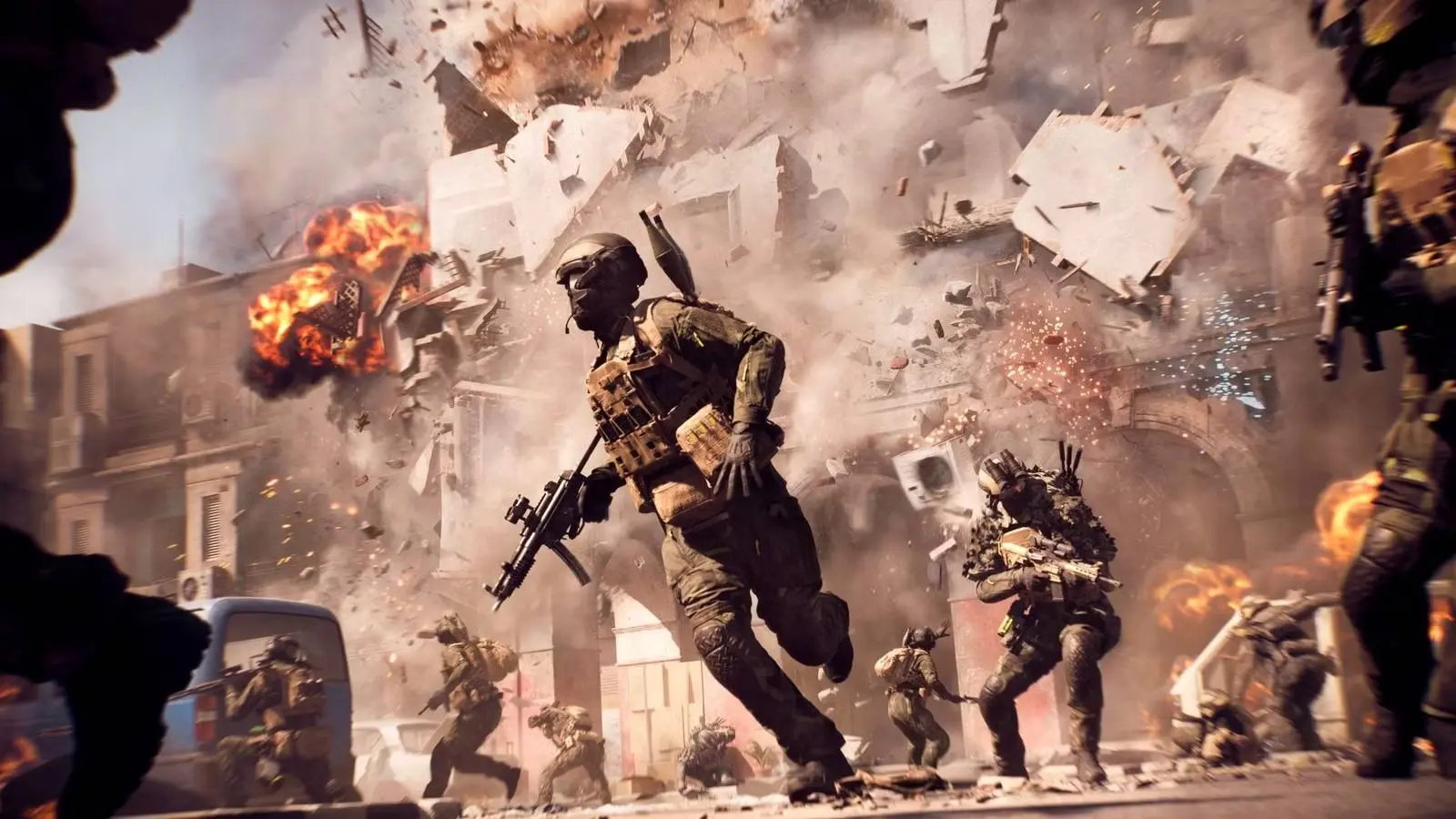
When Battlefield 6 finally landed, the excitement was palpable — the franchise hadn’t seen a truly commanding modern warfare shooter in years. And at first glance, it felt like a triumphant return: explosive battles, cinematic chaos, and large-scale warfare packed into every match. But the longer you play, the more the shine wears off. Beneath the surface lies a multiplayer experience torn between two identities, striving to be both a sprawling Battlefield war sandbox and a hyperactive Call of Duty–style arena shooter. The result? A game that’s exhilarating in short bursts yet deeply frustrating once you peel back its layers.
A New Direction — or a Borrowed One?

There’s no denying it: Battlefield 6 is thrilling. The gunfire never stops, tanks roar across the map, helicopters scream overhead, and every match erupts into controlled mayhem. The shift away from the cramped beta maps toward larger, more open environments was a smart one. On paper, it’s everything long-time fans wanted. But then the Call of Duty influence kicks in — hard. Precision teamwork and tactical planning, once the heartbeat of Battlefield battles, now play second fiddle to breakneck movement and twitch reflexes. Players sprint, dive, slide, and bunny-hop more than they strategize. Objectives frequently become secondary to kill-chasing, as teams scatter into disorganized firefights. What emerges is an identity crisis: a Battlefield built with the pacing of a different franchise entirely.
Gunplay That Looks Great, Feels Awful
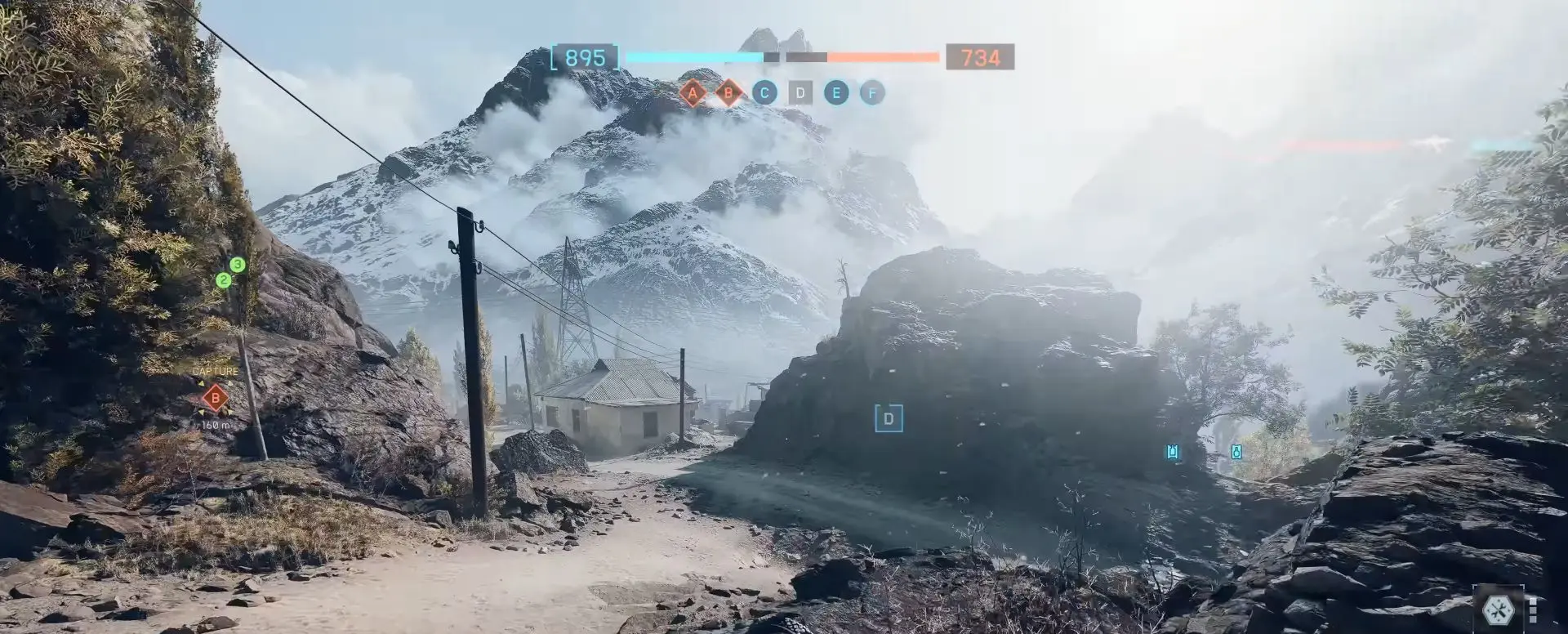
Battlefield 6’s weapons sound and animate beautifully. Every reload, every recoil pattern, every muzzle flash looks the part. But actually using them? That’s where the problems begin.
The core issues include:
- Hit registration that feels inconsistent at best — mag-dumping at close range can result in only a handful of bullets landing.
- An aggressive ADS bloom system that introduces random bullet spread even while aiming perfectly still.
- Weapon progression that demands dozens of hours, locking essential attachments behind excessive grind.
- Ammo scarcity so extreme that players often die not from gunfire but from empty magazines.
This creates an infuriating disconnect: the guns are visually satisfying, yet mechanically unreliable. New players feel handicapped, while veterans are forced into uncomfortable playstyles simply to stay competitive.
Movement and Maps: Smooth Controls, Broken Arenas

Movement, ironically, is one of the game’s biggest triumphs. Sprinting, sliding, vaulting and dragging downed teammates feels fluid and responsive. The mobility is a clear evolution over past entries. But the maps themselves… that’s another story. Although visually stunning — dense cities, snowy valleys, neon-lit streets — the level design often collapses under competitive pressure. Exploits and unintended vantage points let players break map balance wide open. Some capture points are nearly unwinnable for attackers. Others funnel players into chokepoints so chaotic that strategy becomes impossible. The more you play, the clearer it becomes: these maps weren’t built for the frantic hyper-mobility the game encourages.
Vehicles: Powerful Icons That Crumble Too Easily

Vehicles have always been a Battlefield signature, but in BF6 they sit in a strange place. Tanks feel powerful but melt under rocket spam. Jeeps disintegrate instantly. Aircraft struggle to maneuver on maps simply too small for them. A skilled pilot or tank operator can still dominate, but the margin for error is razor-thin. Without multiple engineers repairing you nonstop, expect your armor to be scrap metal within minutes.
Game Modes: Some Highs, Many Lows
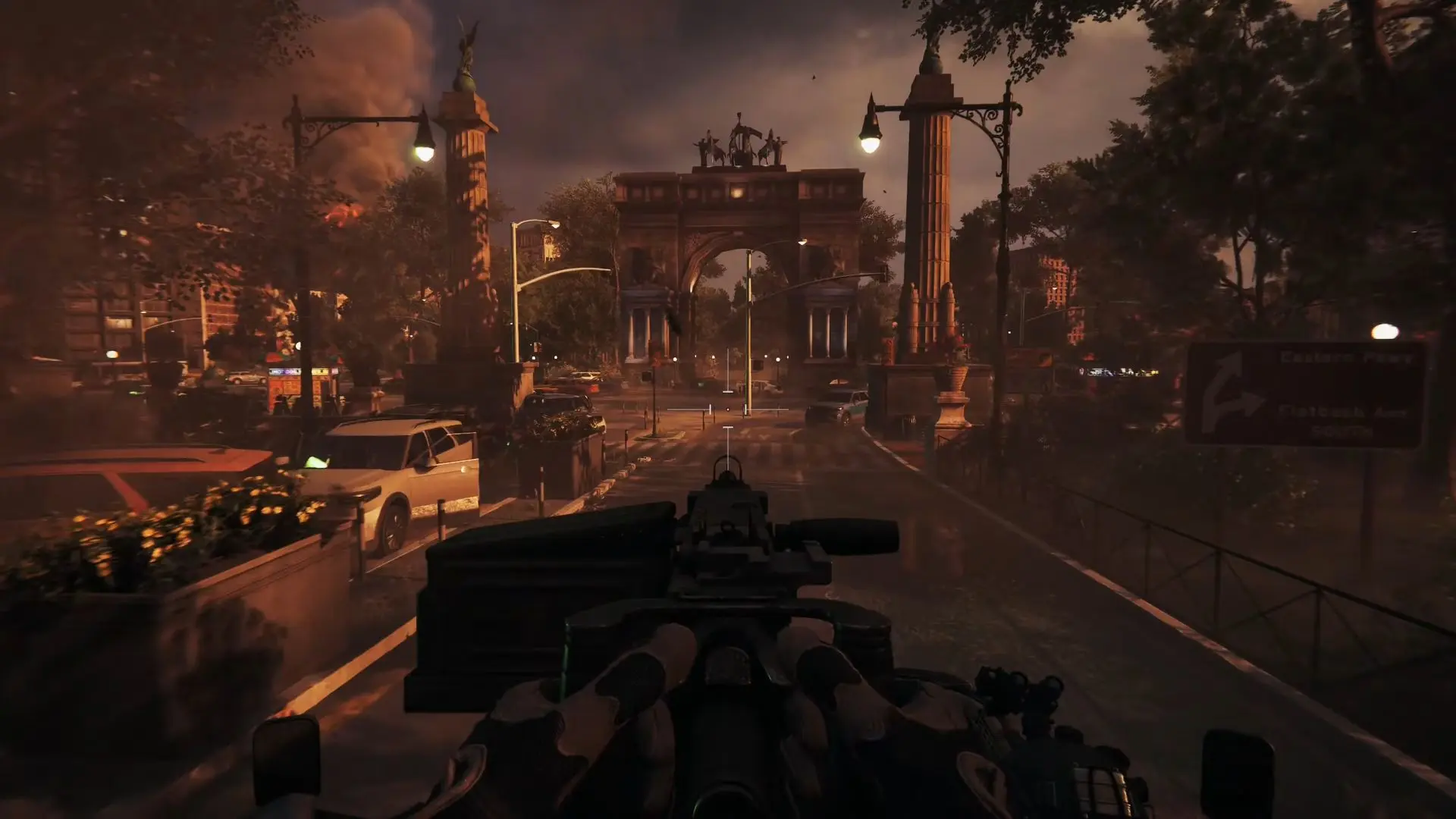
Classic Battlefield modes return — Conquest, Breakthrough, Rush — but not all survived the transition well.
- Conquest is frantic to the point of chaos, with little team coordination.
- Breakthrough suffers from spawn traps and funneling issues.
- Rush-style modes are overloaded with nonstop explosions and inconsistent pacing.
But there are bright spots. The new Escalation mode stands out as the game’s most thoughtfully designed experience. With dynamic point control and shrinking objectives, it captures the chaotic magic of Battlefield while encouraging teamwork and strategic improvisation. Then there’s Redsec, the hastily added battle royale mode — a transparent attempt to imitate Warzone. Sparse loot, awkward gunplay, and poor audio design make it feel unfinished, even by genre standards.
Technical Performance: Smooth but Far From Clean

On the technical side, Battlefield 6 is remarkably stable. High frame rates, fast loading, and solid servers keep the action flowing. Visually, it’s one of the most striking shooters of the year. But bugs? There are plenty. Players clip into geometry, respawn inside vehicles, lose access to attachments mid-match, or encounter persistent animation glitches. The anticheat, despite being heavily marketed, struggles to keep pace with obvious exploits.
A High-Potential Shooter

Battlefield 6 is a paradox: a game that’s undeniably fun moment to moment, yet constantly sabotaged by design contradictions and mechanical missteps. It nails the spectacle — no one does large-scale destruction like DICE — but stumbles in the core elements that matter most in competitive shooters.
The verdict:
- Visually incredible
- Mechanically inconsistent
- Addictive but exhausting
- Innovative yet derivative
- High potential, low long-term stability
Whether the game thrives depends entirely on EA’s willingness to address its weakest systems rather than prioritize monetization. The foundation is strong — the execution, however, needs serious rebuilding.