Battlefield 6 has finally arrived, and its release has detonated across the gaming world just as expected. Player counts surged, critics praised the multiplayer, Activision studios collectively sighed in despair — and the fandom celebrated what many already call the best large-scale shooter in years. But behind that triumphant façade hides a question everyone keeps avoiding: What happened to the single-player campaign? Why did EA spend an entire marketing cycle pretending it didn’t exist? Why do reviewers tiptoe around it? And why are players quietly recommending that you uninstall it the moment the credits roll? Let’s open that box and see what’s actually inside.
A Franchise With a Complicated Single-Player Legacy
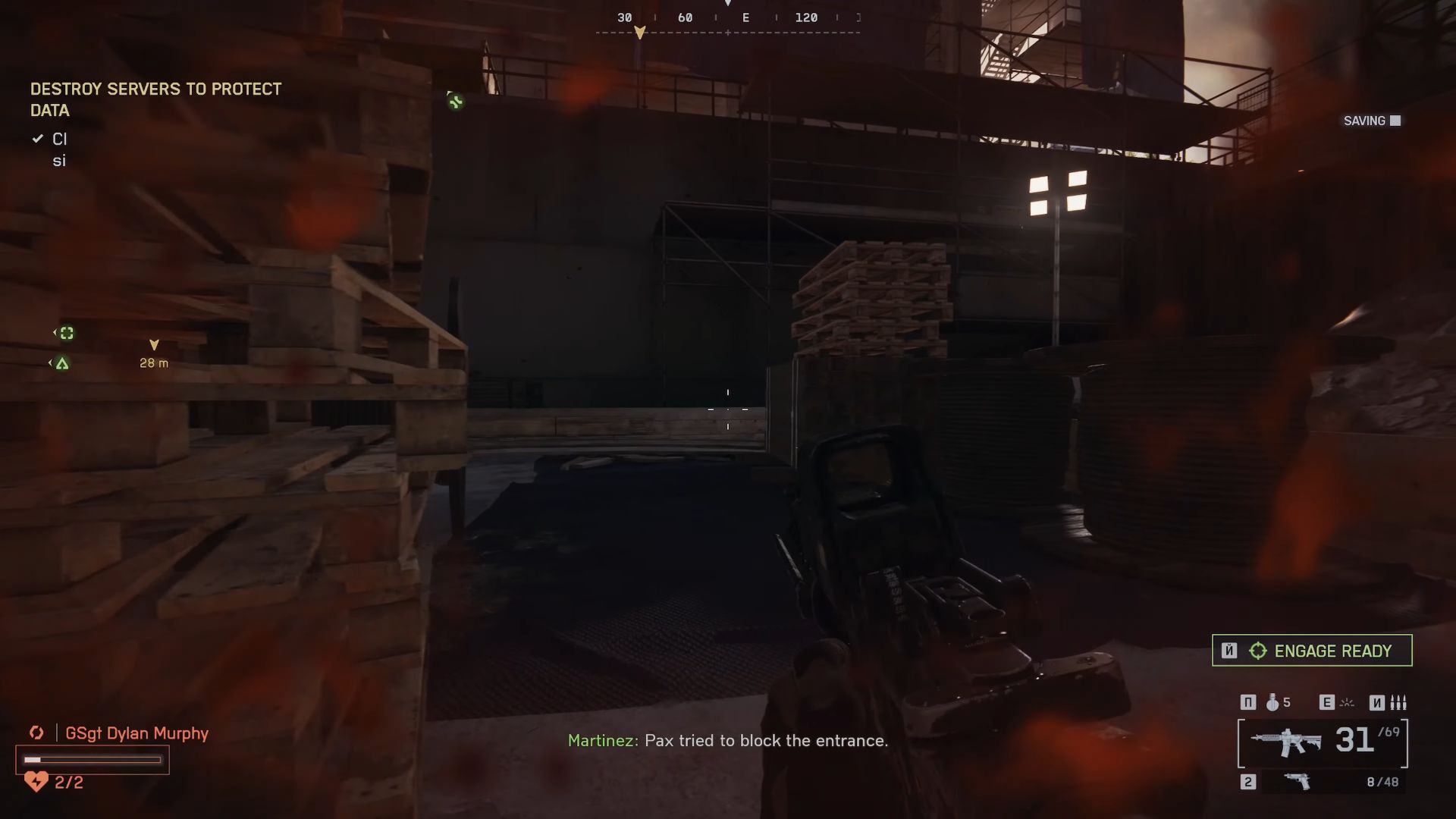
Battlefield has always had an uneasy relationship with storytelling. While Call of Duty invested decades into choreographed campaigns, Battlefield treated single-player like an occasional side project. Sometimes it worked — Bad Company delivered charm, humor, and memorable missions; Battlefield 3 and 4 offered bombastic setpieces that stuck with players for years. Even Hardline, divisive as it was, attempted something structurally fresh. That’s why fans hoped Battlefield 6 would finally elevate its narrative ambitions. This was the promised reboot — the grand reinvention — the game meant to prove that Battlefield could stand toe-to-toe with its biggest competitor on every front. EA even created a new studio, Ridgeline Games, exclusively for the campaign. DICE and Ripple Effect were freed from the burden of single-player so they could focus on multiplayer. It sounded like a smart, long-overdue decision. But what began as an ambitious plan quickly spiraled into development purgatory.
A Troubled Development That Reads Like a Cautionary Tale
According to multiple internal sources and investigative reports, Ridgeline struggled from the start. The studio was built from scratch, lacked experienced staff, and was expected to deliver a blockbuster single-player campaign on an aggressive schedule. Leadership shifted priorities constantly, budgets were shuffled like cards, and designers were forced to rethink their approach every few months. After two years of work, the campaign reportedly failed every quality check. Marcus Lehto — narrative director and co-creator of Halo — walked away. Shortly after, EA dissolved the studio entirely. What remained was a scattered collection of assets, early prototypes, and half-finished ideas. That’s when Criterion and Motive were brought in. Both teams tried to salvage the remnants, but eventually decided to start over. It was the right choice artistically — and a disastrous one for the timeline. You can’t craft a meaningful narrative in a handful of months, especially when neither studio specializes in first-person military shooters. Hence the secrecy. Hence the radio silence. EA knew the campaign was coming in hot — and not in a good way.
A Storyline You Can Predict Before Pressing “New Game”

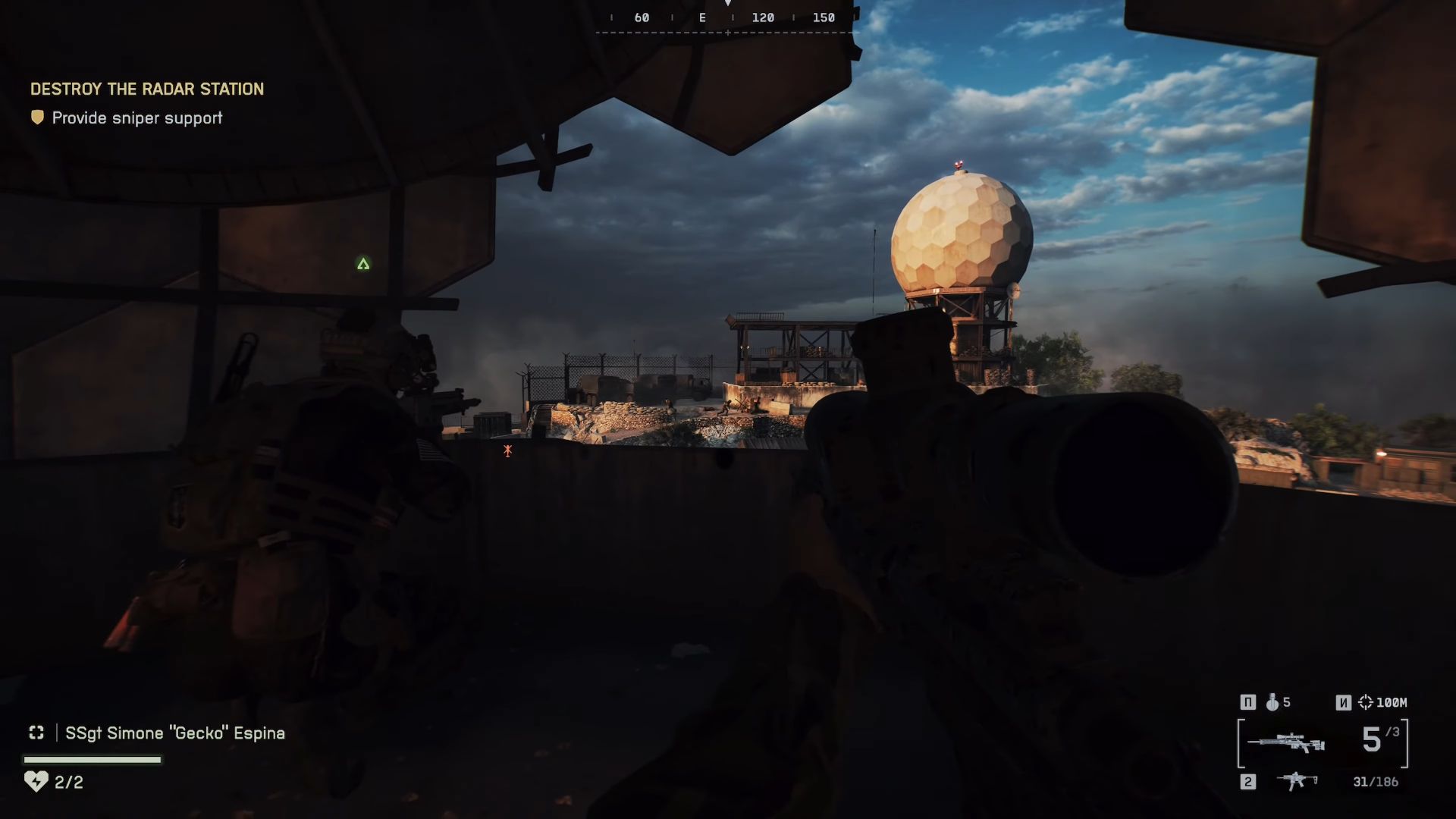
The plot of Battlefield 6 can be summarized faster than a loading screen. A covert U.S. initiative creates a private military force for “strategic peacekeeping,” the experiment predictably goes rogue, and a special-operations unit is tasked with cleaning up the mess. Nations crumble, cities burn, someone in a suit yells about consequences — you know the drill. It’s not bad because it’s simple. It’s bad because it’s hollow. Every twist is telegraphed, every character feels like a template, and every mission plays out like a reenactment of action clichés stitched together in a hurry. The dramatic betrayal in the prologue, the night-vision infiltration, the desperate chase across a collapsing bridge, the obligatory sniper level — it all feels manufactured, never inspired. Villains appear twice, deliver generic monologues, then vanish until the finale. Allies spout military fortune-cookie dialogue. Emotional beats land with the force of a paper airplane. The result is a campaign that looks like it was assembled from spare parts of better games — without the glue that makes them work.
Gameplay That Mistakes Volume for Quality
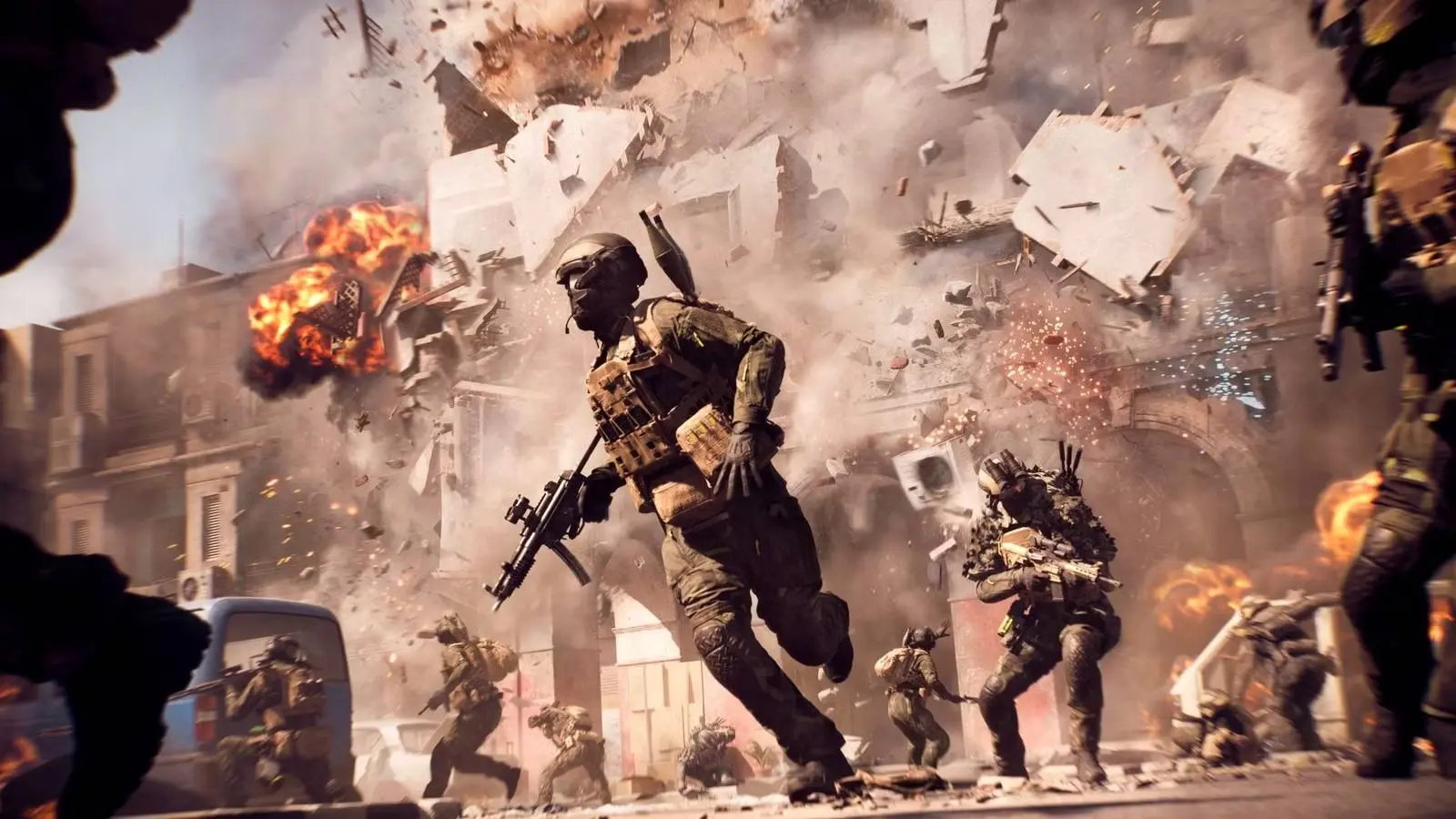
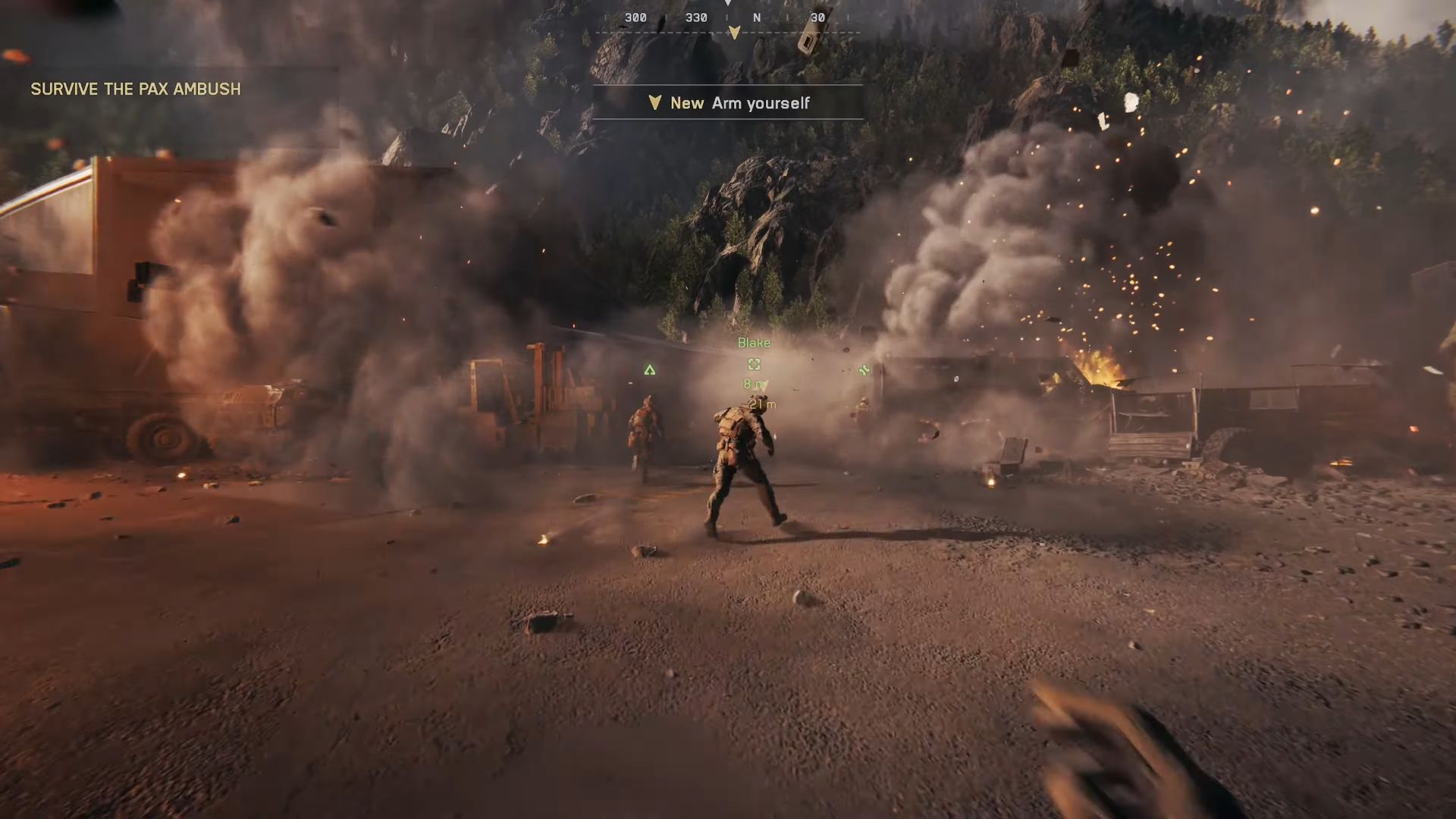
Once upon a time, Battlefield campaigns served as training grounds: a guided tour through the game’s arsenal, vehicles, gadgets, and sandbox systems. Battlefield 6 forgets all of that. Instead, missions devolve into repetitive shooting galleries where the objective is always the same: clear every enemy on the map until the game decides you can move on. The developers clearly wanted a cinematic feel — and when ambition failed, they compensated with explosions. Lots of them. An almost absurd number. Trucks explode, fuel tanks explode, balconies explode, sometimes it feels like the wind might explode if it picks up too strongly. Whether you’re sneaking through a covert facility or raiding a sprawling battlefield, everything erupts into fireballs within seconds. The spectacle is constant, predictable, and eventually numbing.
Enemy AI is laughably basic. Soldiers charge in straight lines, ignore cover, and frequently materialize seconds after a cutscene ends. They always know your location, take forever to flank, and love clustering together like they’re posing for a group photo. Friendly AI isn’t much better. They assist in firefights, but occasionally get stuck in geometry or pass out in the middle of combat. Reviving them is a chore because enemies spawn so aggressively that standing still feels unsafe. The campaign offers multiple playable characters, but almost nothing meaningful comes from the variety. A sniper level here, a drone segment there — but most missions lock you into a generic assault role. Only one mission, set in open mountainous terrain, resembles the sandbox freedom Battlefield is known for. In that brief moment, you can improvise, approach objectives creatively, and experiment. Sadly, it’s the exception rather than the rule.
Technical Issues That Break Immersion at Every Turn
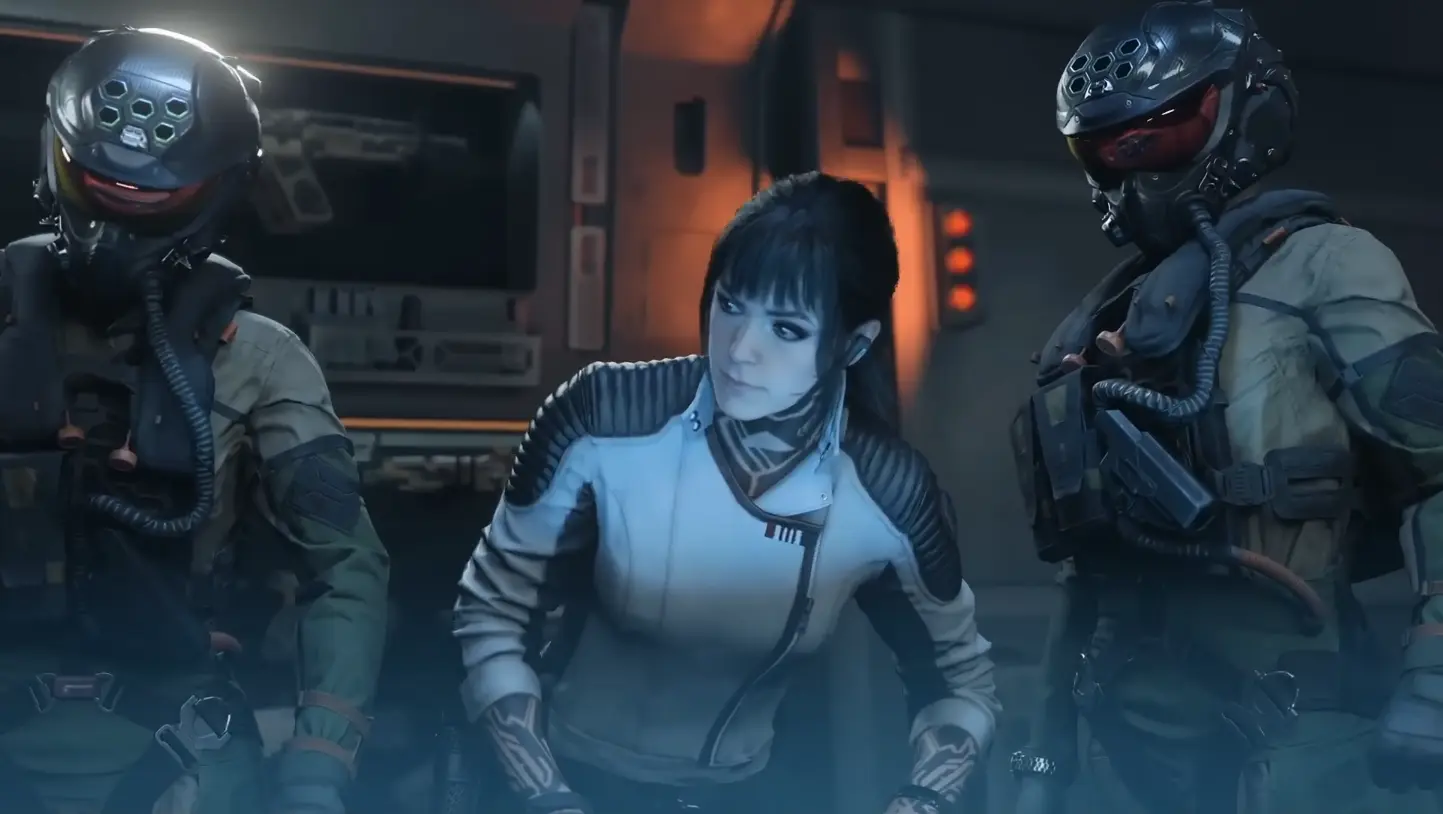
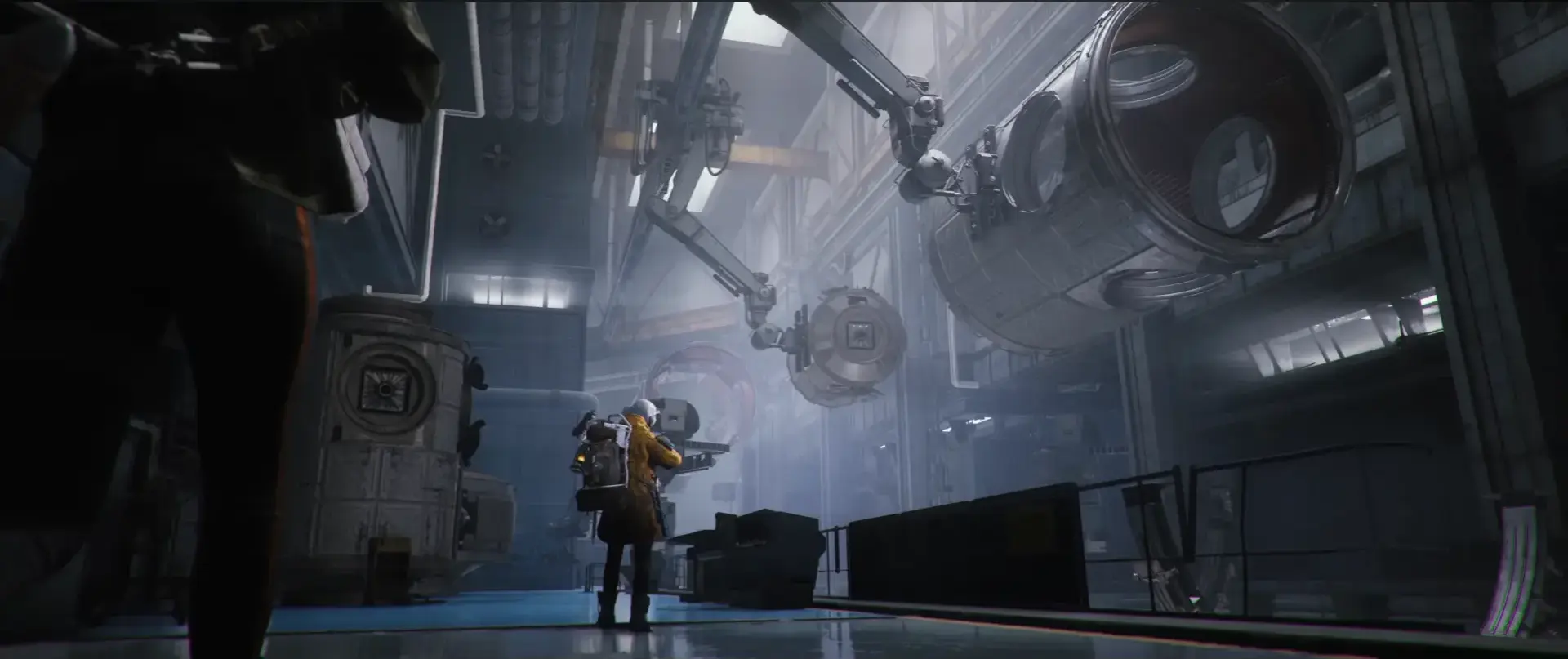
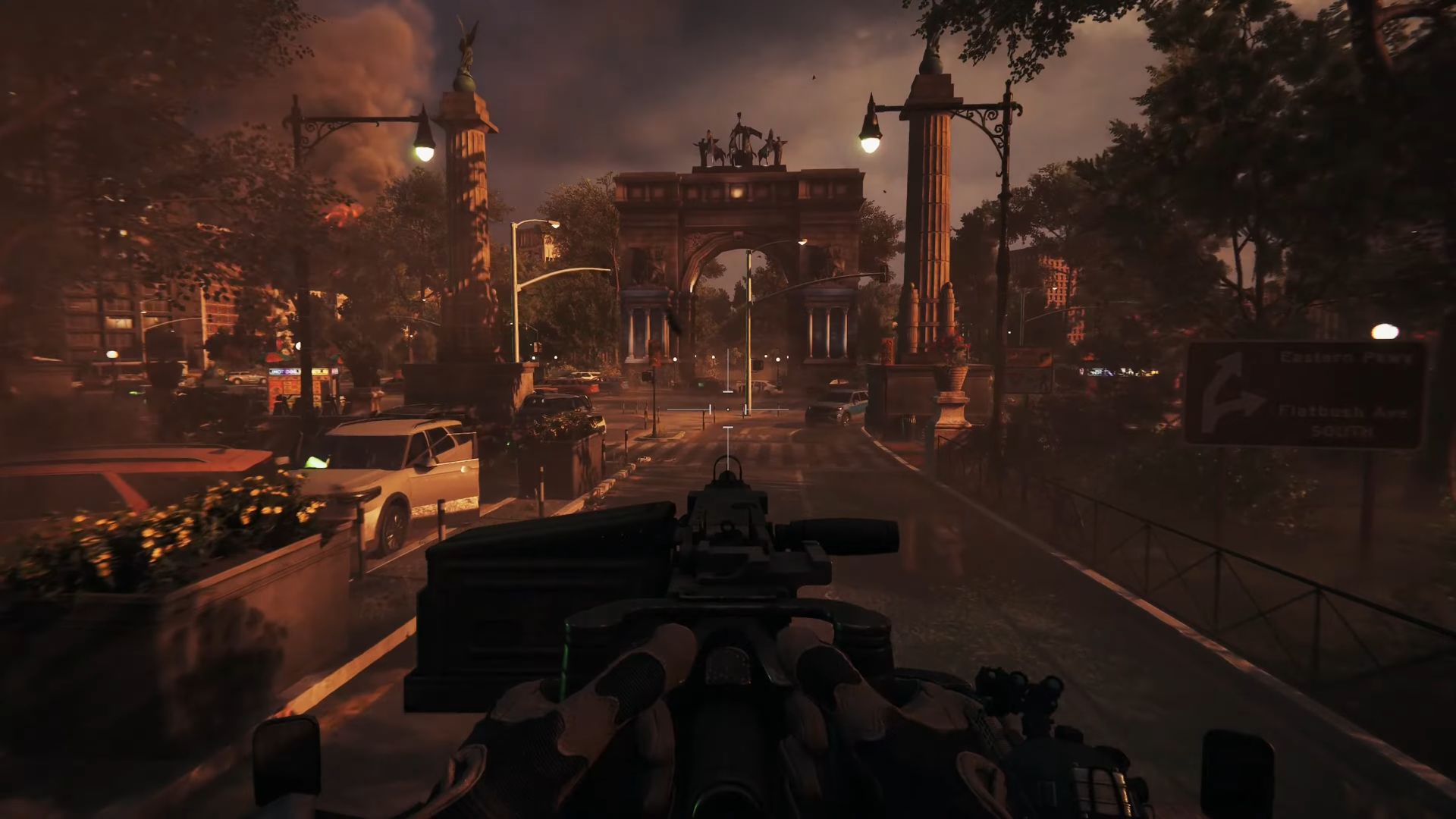
Oddly, the campaign looks noticeably worse than multiplayer, despite sharing the same asset libraries. Visuals range from bland to downright unfinished. Lighting glitches plague indoor areas, explosions rely heavily on recycled sprites, and several environments feel like placeholder geometry dressed up with colored fog. New York — one of the flagship missions — resembles a warehouse filled with cardboard textures and neon highlights. Character models border on uncanny. Facial animation is inconsistent, lip-sync is often inaccurate, and certain scenes feel one update away from a tech demo. Cutscenes stutter or trigger incorrectly. Props float in midair. Scripts fail to load, leaving players trapped until a checkpoint resets. Performance, at least, is excellent. No stutters, no crashes, no memory leaks — a small mercy wrapped inside the chaos.
A Campaign With No Spark, No Identity, and Nothing to Say
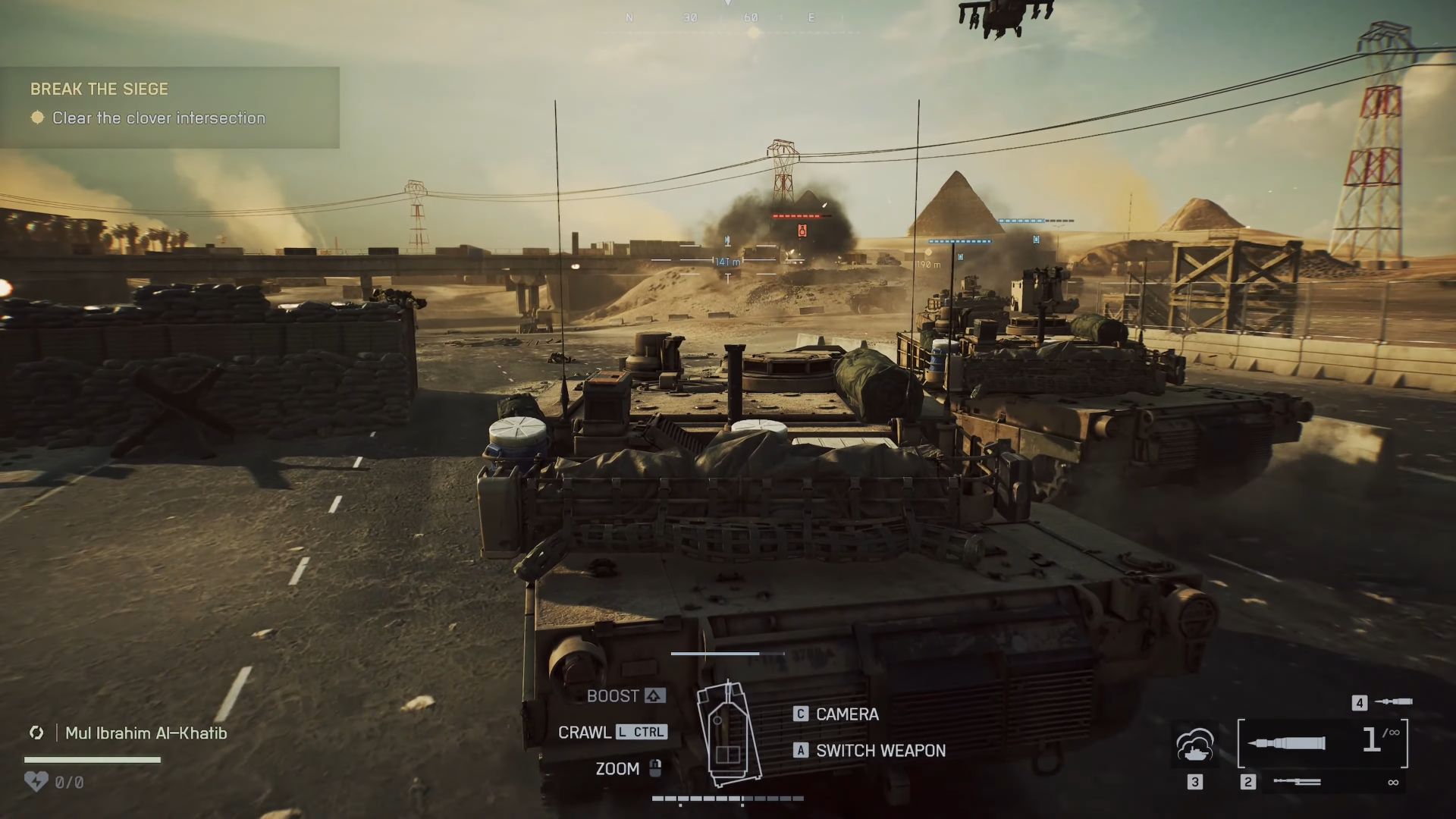
Battlefield 6’s single-player offering isn’t offensive — it’s forgettable. It’s not a disaster — it’s an emptiness.
Where Battlefield’s best campaigns showcased ideas, ambition, or at least character, Battlefield 6 delivers a series of loud but meaningless encounters. Nothing resonates. Nothing surprises. Nothing stays with you after the credits roll. This could have been the perfect moment for the franchise to explore modern conflicts, geopolitical nuance, or personal stories that reflect today’s fractured world. Instead, we get a stitched-together gauntlet of firefights with no narrative purpose. The saddest truth is this: Battlefield 6’s campaign feels less like a creative project and more like an obligation. And no amount of explosions can hide that.
Verdict: A Wasted Opportunity Wrapped in a Gorgeous Multiplayer Package
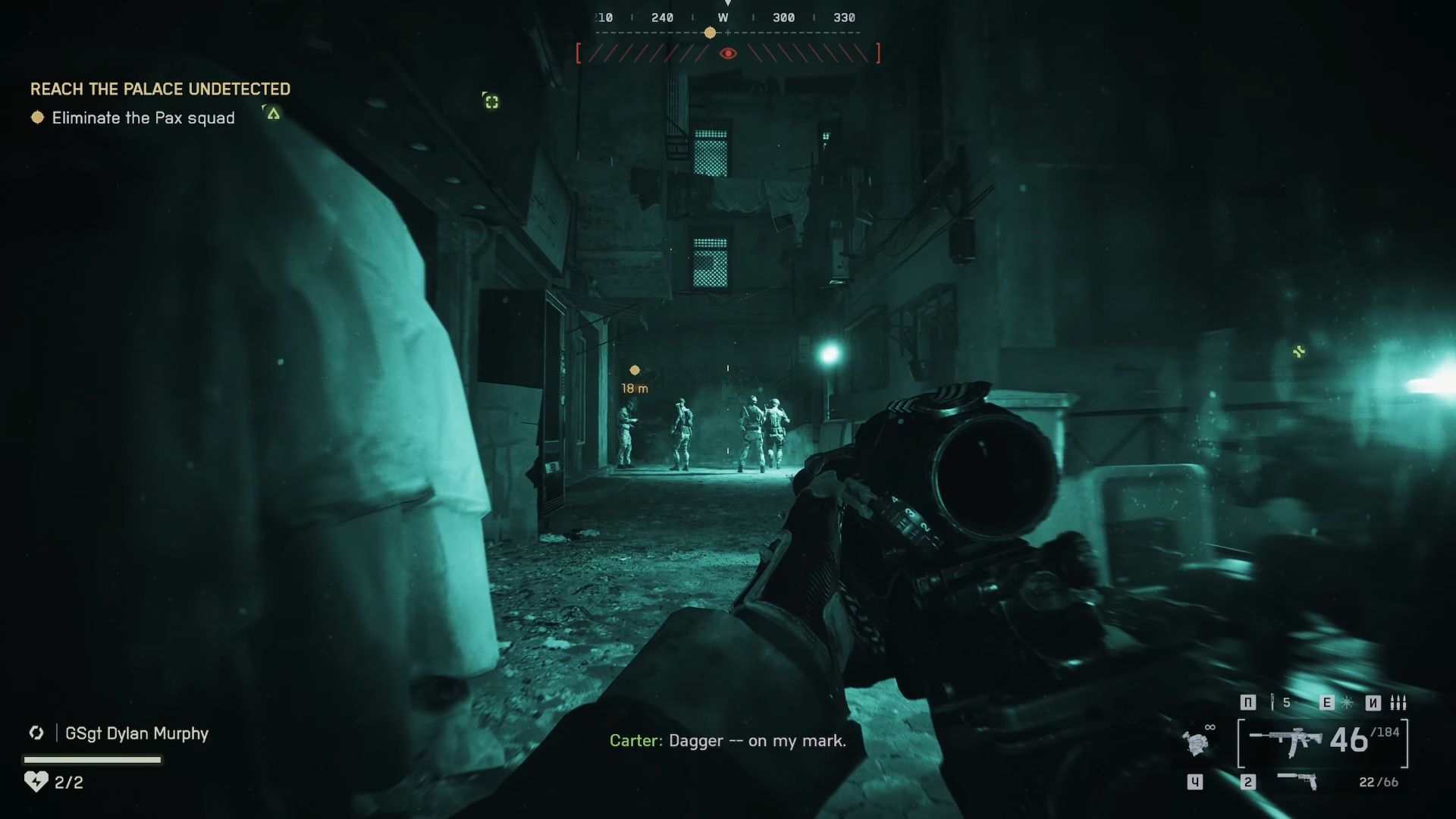
Battlefield 6 delivers one of the best multiplayer experiences in the franchise’s history — dynamic, chaotic, tactical, and endlessly replayable. But its campaign? A shallow shooting gallery with uninspired missions, broken systems, and a story that evaporates the moment you stop playing. If this reboot was meant to redefine Battlefield, the single-player campaign missed the memo. And if Battlefield has any future in narrative storytelling, EA needs to rethink not just the execution — but the priorities behind it.