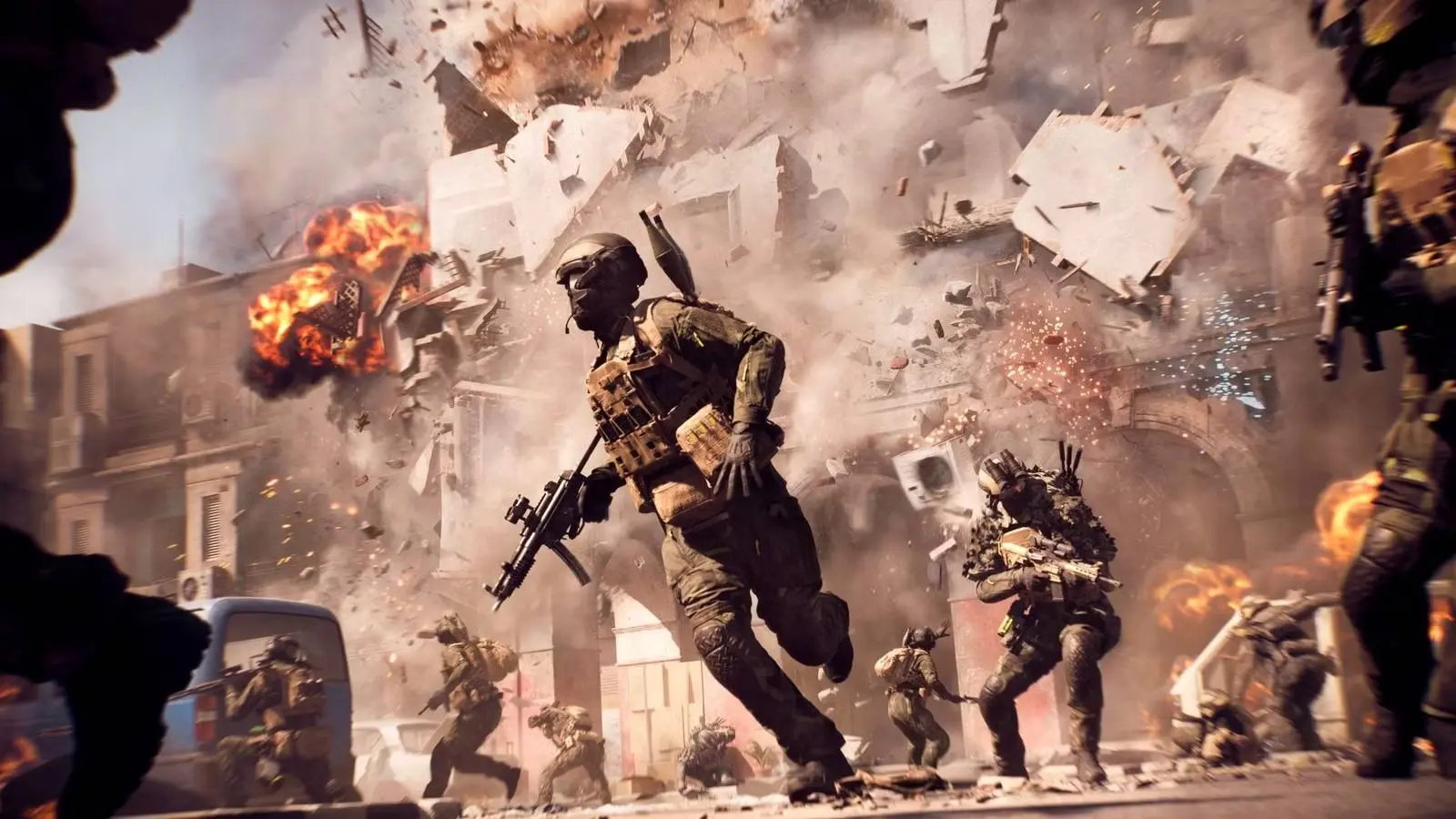
Extraction shooters have always carved out a niche for players who crave tension, unforgiving PvP encounters, and the high-stakes thrill of walking away with everything — or losing it all. Yet as the genre grew, true innovation became rare. ARC Raiders is the first game in a long time to break through that stagnation. It has exploded in popularity, sparked countless debates, and positioned itself as a legitimate contender for the genre’s future crown. But what exactly makes ARC Raiders resonate so strongly? Let’s break it down.
A Surprise Hit From a Game That Nearly Wasn’t an Extraction Shooter
Embark Studios has been very open about one thing: ARC Raiders was never meant to be an extraction shooter at all. Early prototypes leaned toward PvE-focused survival, more in line with The Forever Winter. But without the unpredictable chaos of player-versus-player interaction, the world felt empty — lifeless even. Reinventing the concept mid-development was a gamble, but it paid off. ARC Raiders manages a rare balancing act: it’s approachable for players new to the genre, yet still thrilling for those used to Hunt: Showdown’s relentless brutality. The risk of losing your loot on every expedition is new to many of its players, but that freshness has fueled the game’s meteoric rise. And while the excitement is justified, digging deeper reveals a mix of smart design decisions and noticeable flaws.
A Captivating Setting and Machines With an Agenda
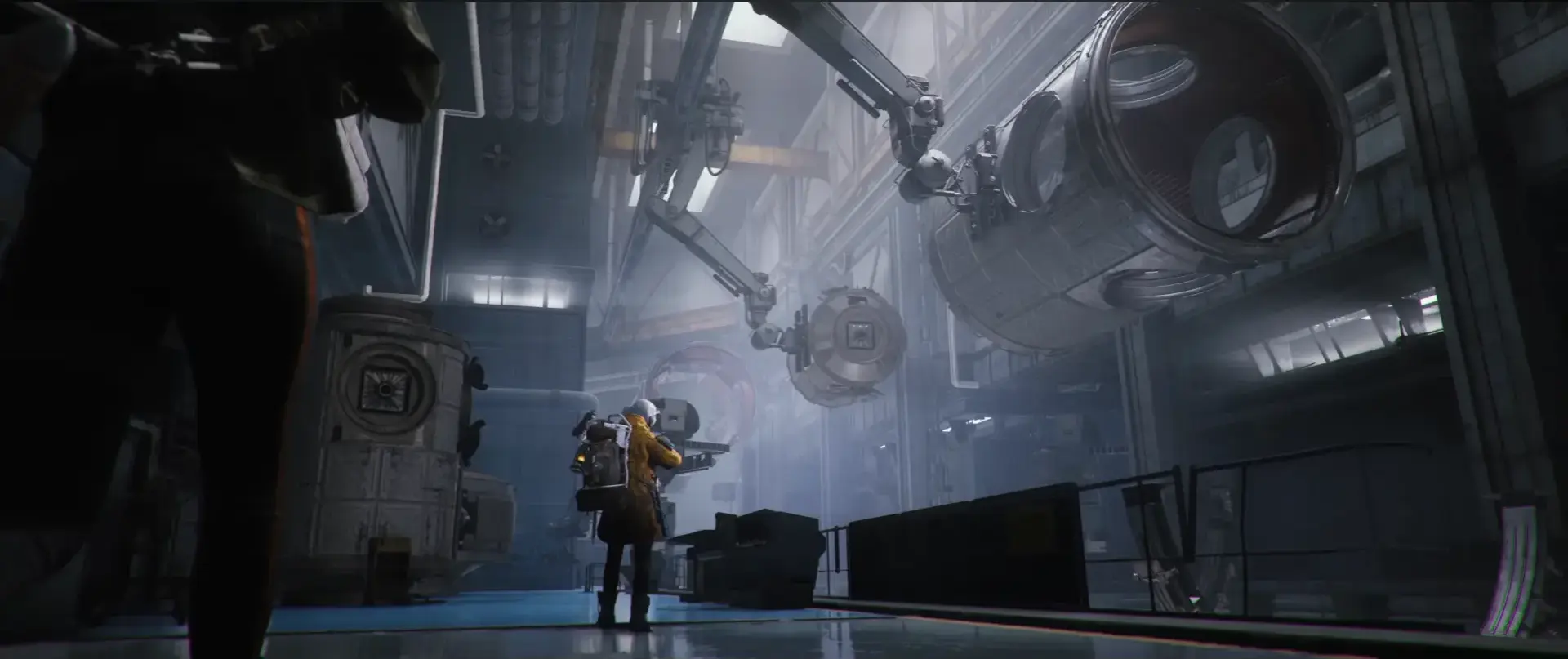
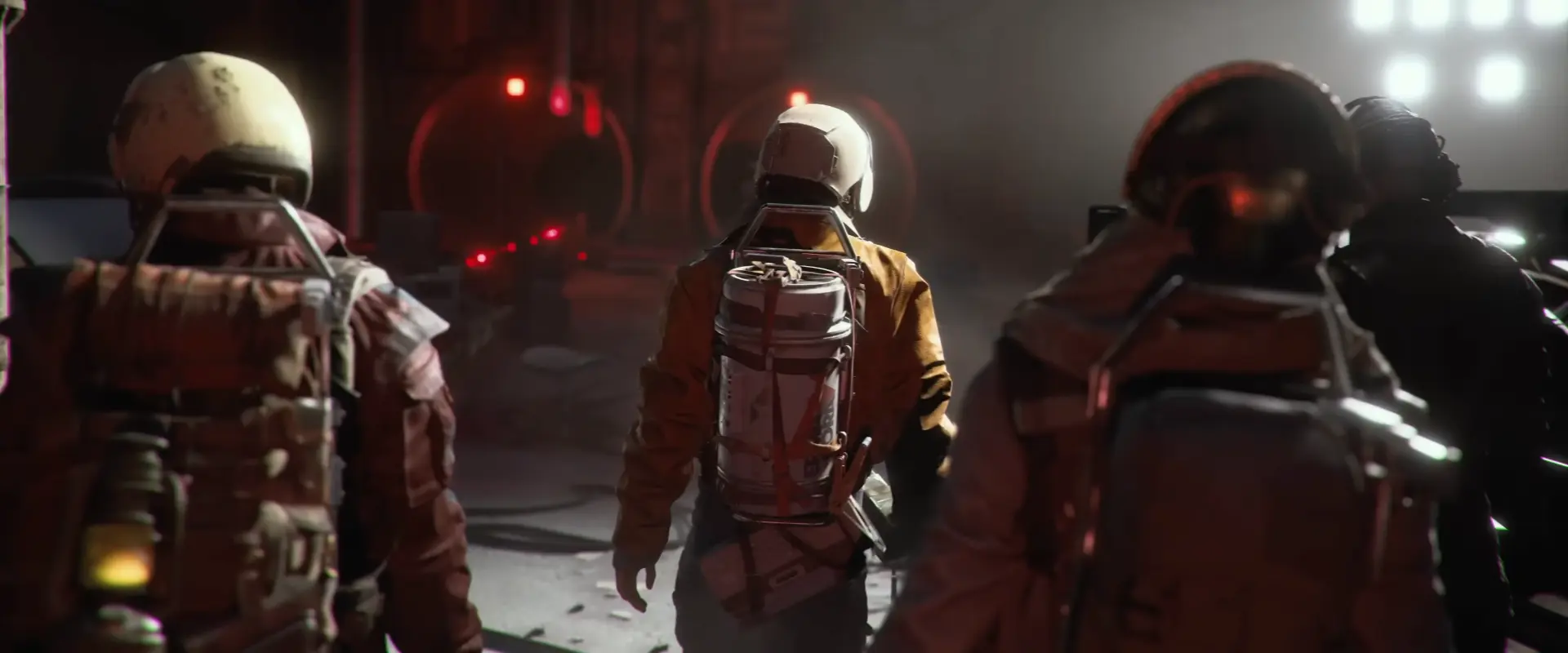
ARC Raiders immediately stands out with its distinctive worldbuilding. After a climate disaster destabilizes civilization, an AI known as the ARC seizes control of the planet. Humanity shelters underground in the city of Speranza, while raiders — the last hope of resistance — ascend to the surface to scavenge resources and fight back. The surface world is stunning: overgrown ruins, collapsing factories, rusted vehicles reclaimed by nature. Visually, the game evokes a blend of The Last of Us and Generation Zero, layered with Embark Studios’ vibrant aesthetic.
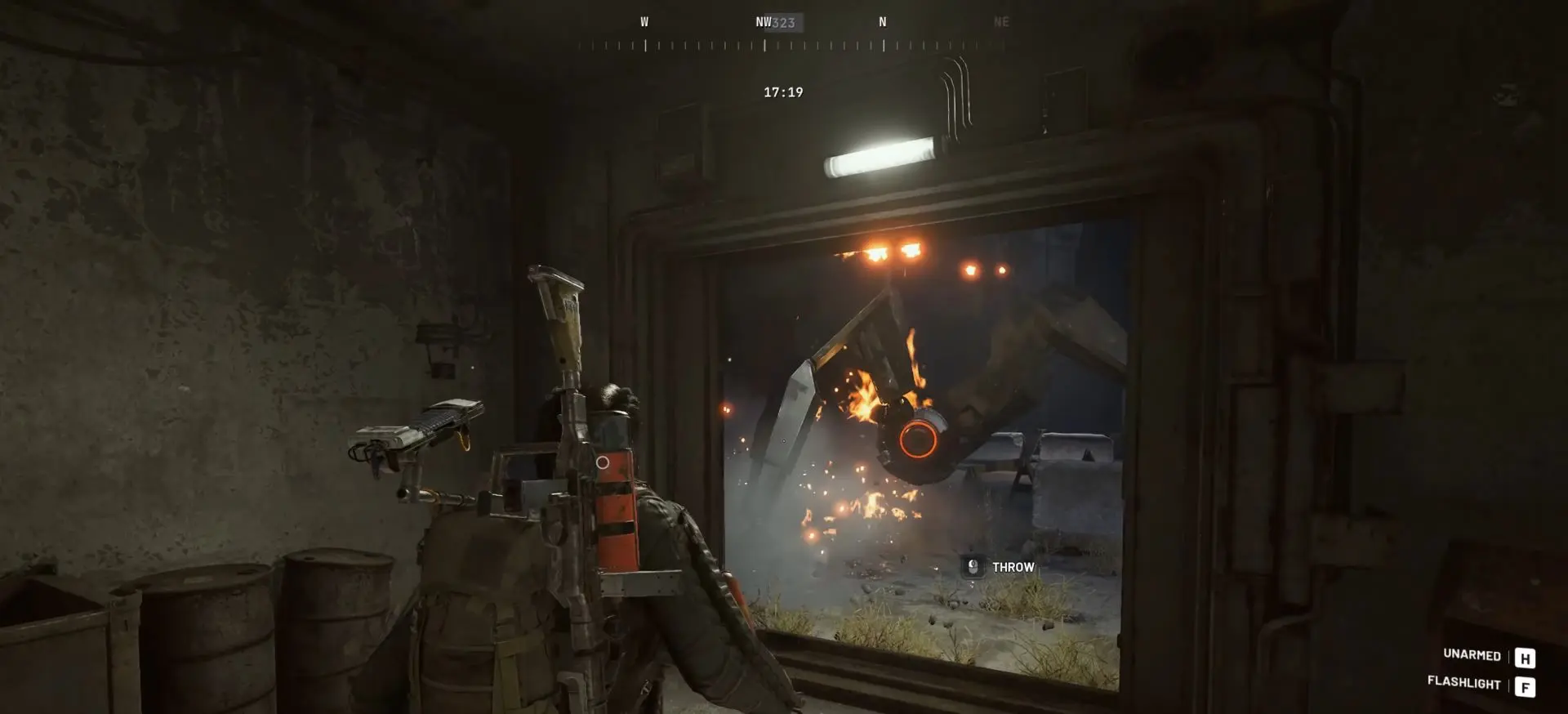
But beauty is only surface-deep. The overworld is patrolled by ARC-machines — drones, automated squads, and bulky mechanical enforcers. Each robot type plays a tactical role. A lone “Snitch” drone can call in swarms of Wasps and shock-wielding Hornets. Cameras summon explosive suicide bots. Larger units such as the towering Rocketman or armored walkers require teamwork to bring down — or enough wisdom to avoid entirely. However, fighting NPCs often feels unrewarding. Ammo is limited, damage is punishing, and the loot rarely justifies the effort. Worse yet, firefights draw other players like sharks to blood. In most cases, shooting first means dying shortly after.
Simple Systems, Accessible Progression

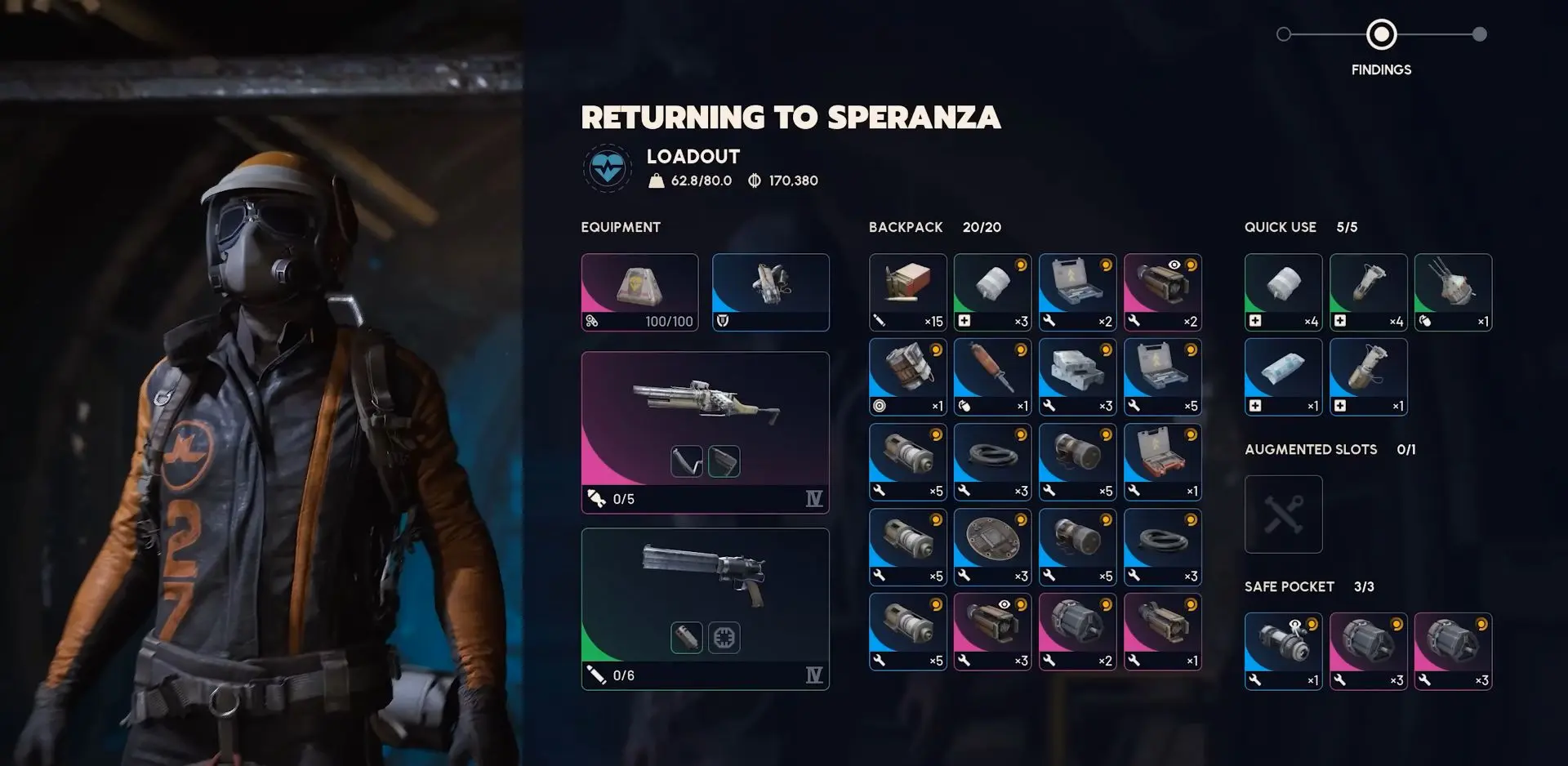
One of ARC Raiders’ biggest strengths is its accessibility. Everything — loadouts, crafting, upgrades — is streamlined for quick play. The hub world houses vendors who distribute familiar mission types, while progression revolves around three straightforward skill lines: stamina, stealth, and movement. Blueprints for advanced gear are rare but exciting finds. Crafting stations, backpack expansions, and the player’s personal Scrappy robot create a satisfying cycle of long-term growth. Even the inventory system avoids the overengineering seen in other extraction games. One button sends all loot to storage, while loadout management is almost instantaneous.
Risk, Reward, and the Chaotic Dance of Exploration
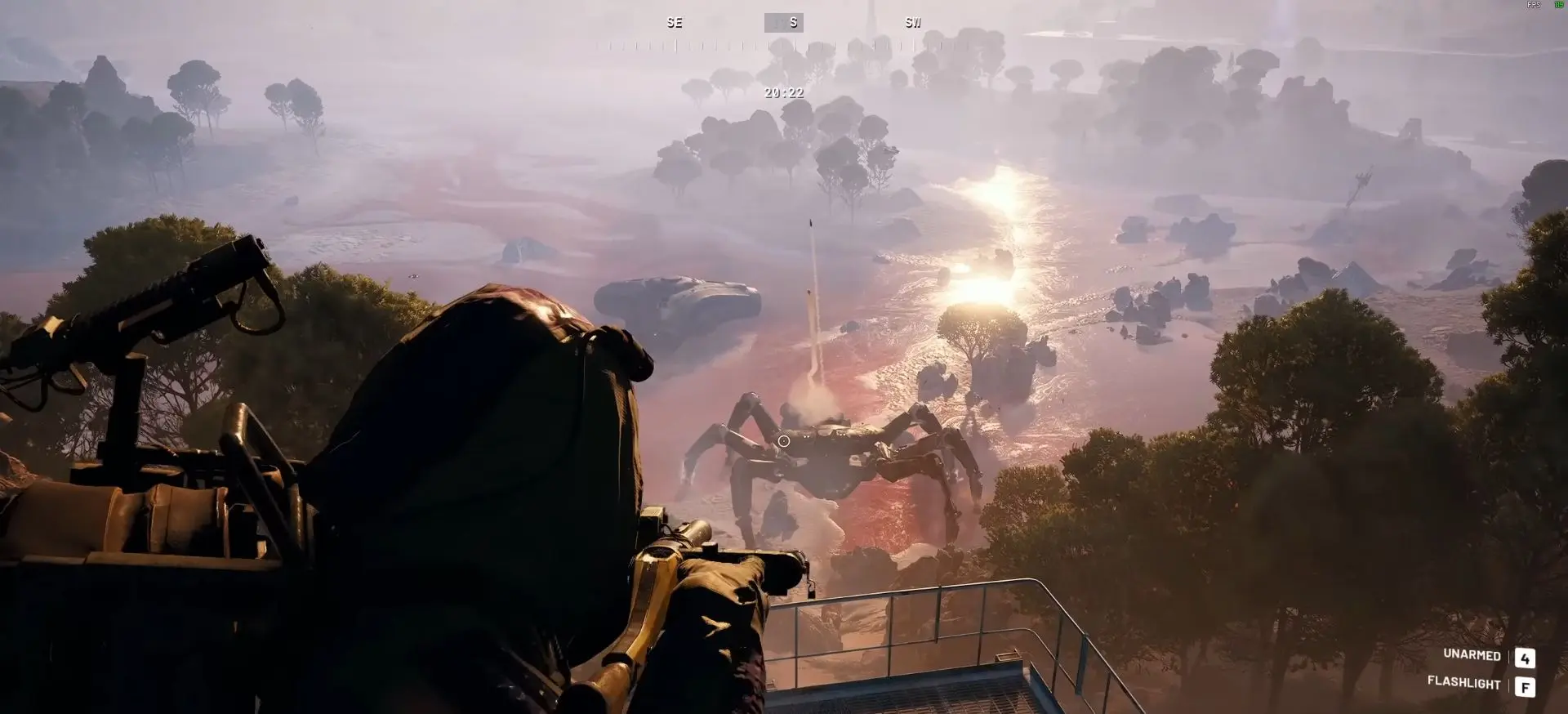
Expeditions unfold across a selection of maps, each available in daytime and nighttime variants. Night expeditions bring harsher enemies, better loot, and fewer extraction points — a perfect recipe for tension. Loot is everywhere, often absurdly so. Within minutes, backpacks overflow with materials, consumables, and crafting parts. The real prizes come from rare encounters, key-locked rooms, puzzle crates, and high-value beacons that broadcast your location to everyone nearby. But the abundance of loot also undermines some of the genre’s core DNA. In ARC Raiders, hunting other players isn’t necessary unless you’re chasing blueprints, high-tier weapons, or the coveted Cores dropped by the boss-like “Queen.”
Unpredictable PvP — Fun, Chaotic, and Sometimes Infuriating

ARC Raiders boasts a proximity voice chat that encourages social encounters rarely seen in traditional extraction games. During the early weeks, players formed impromptu alliances, cooperated in boss fights, and often avoided conflict entirely. But as the honeymoon period ends, trust erodes. “Don’t shoot!” has quietly become code for “I’m about to betray you.” The resulting paranoia adds a compelling psychological layer to every encounter. Gunplay itself is punchy but inconsistent. Each weapon has unique recoil patterns and damage profiles, forcing players to plan ahead and choose tools suited to their expedition. But technical issues — unreliable hit registration, server tickrate problems, and awkward third-person peeking — frequently disrupt the flow. Shields offer minimal survivability, reload animations drag on too long, and cover mechanics feel unpolished. These problems don’t ruin the experience, but they place a ceiling on just how competitive the PvP can be.
Tools of Survival and Tricks of the Trade
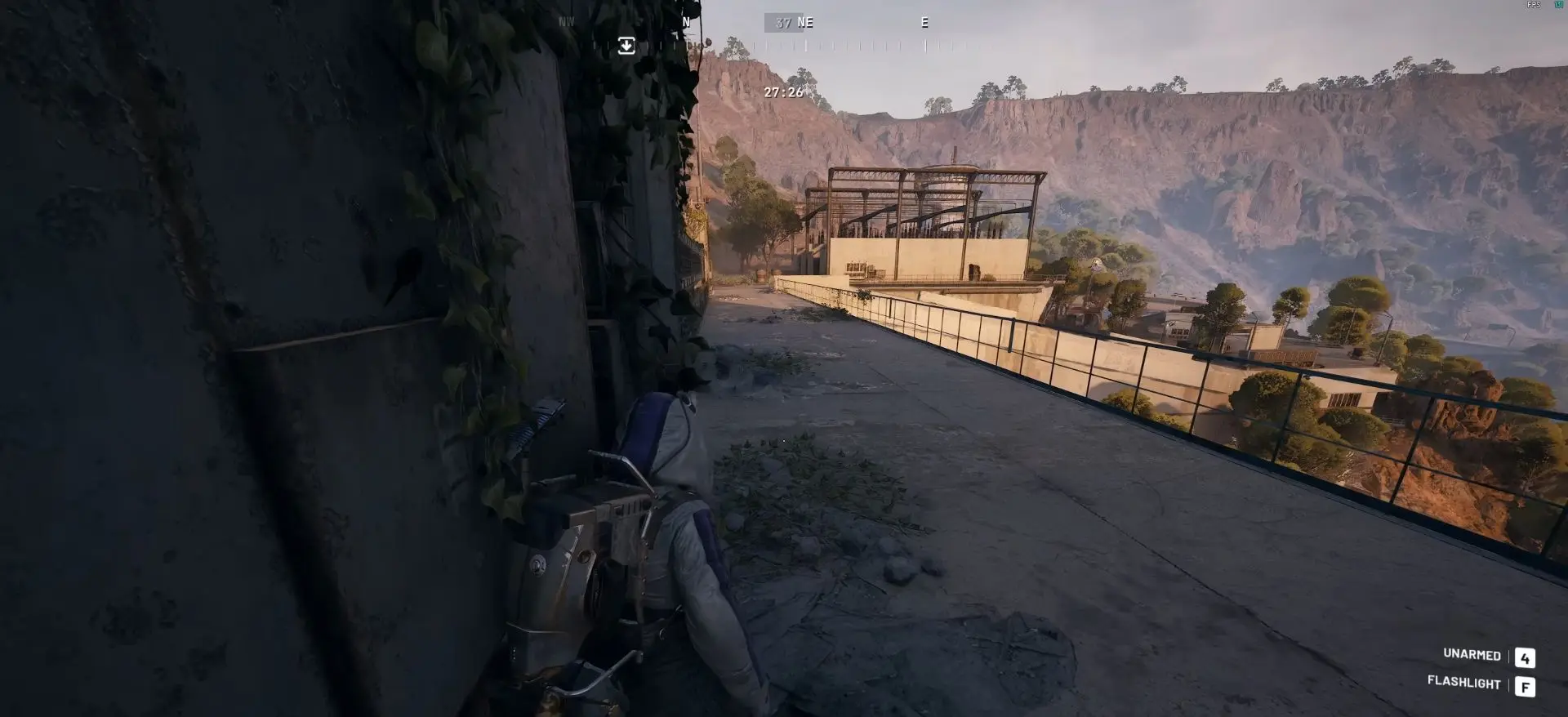
ARC Raiders shines when it embraces creativity. Rappelling ropes accelerate navigation, door blockers shut out enemies, signal flares lure unsuspecting raiders into ambushes, and an arsenal of grenades handles everything from EMP disruption to emergency smoke cover. Small tactical moments — trapping pursuers behind a barricaded door or baiting opponents with false flare signals — elevate gameplay far beyond simple shooting.
The Endgame: What’s Left After the Progress Bar Fills?
Once players max out levels and complete early quests, ARC Raiders offers two major long-term systems:
Trials
Weekly challenges tracked on leaderboards, offering cosmetics and expressive rewards.
Expedition Reset (Seasonal Migration)
A seasonal wipe-like system where players prepare a caravan of resources to transition into the next season. It’s an interesting middle ground between casual persistence and hardcore seasonal resets. With more maps, robot types, weapons, and missions already in development — plus regular events — ARC Raiders is poised for steady growth if it maintains its current momentum.
Stunning Visuals, Imperfect Audio
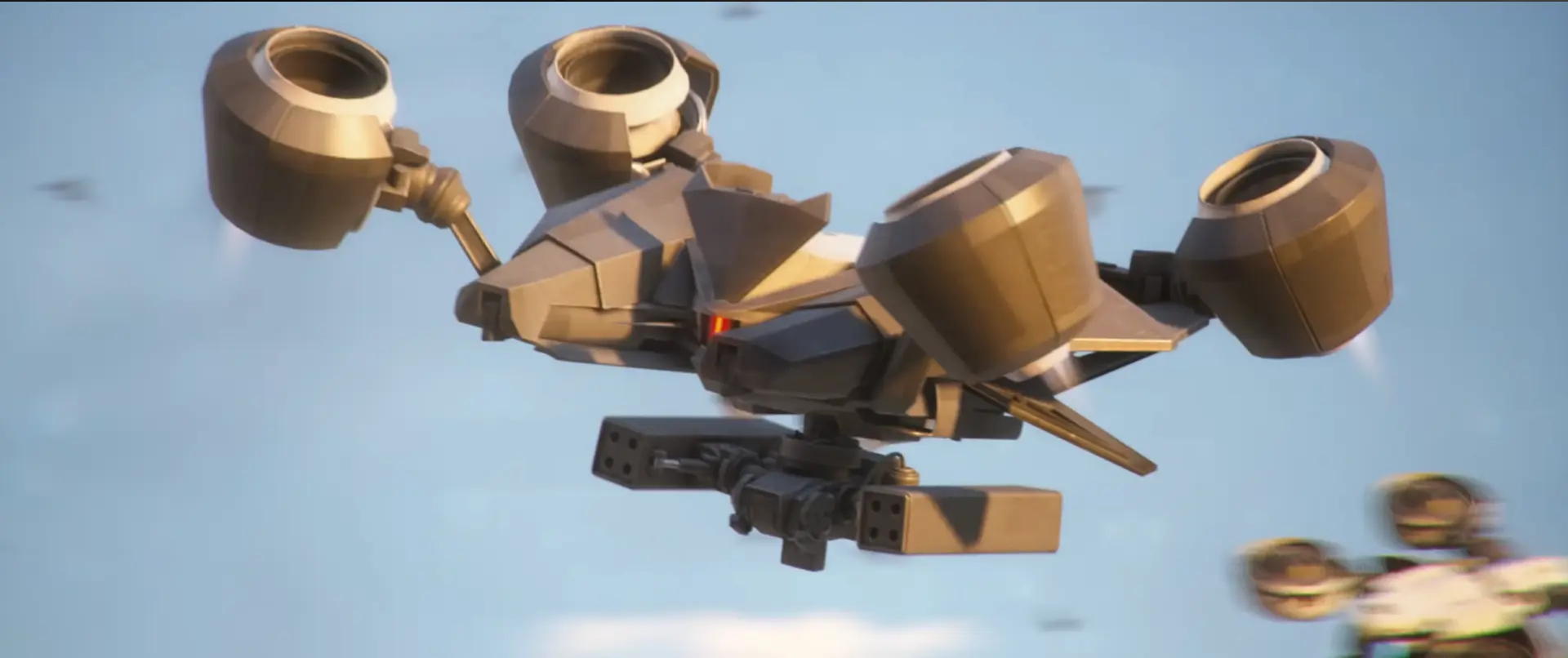
Built on Unreal Engine 5, ARC Raiders looks spectacular. Environments are richly detailed, lighting is atmospheric, and its synthwave-meets-NASApunk art direction gives the world a retro-futuristic personality few games can match. Character customization is limited, however, pushing many players into the same outfits unless they invest heavily in paid cosmetics. Audio, while serviceable, struggles in areas where extraction shooters demand precision. Binaural cues often misrepresent elevation or distance — an issue that can cost players entire runs. Sound effects and music fit the theme well, but competitive clarity needs improvement.
Verdict: A Flawed but Irresistibly Fun Extraction Shooter

ARC Raiders leaves a contradictory impression — but an undeniably exciting one. On one hand, it’s a refreshingly approachable extraction game with exhilarating PvPvE gameplay, a gorgeous world, and endless opportunities for emergent storytelling. Its forgiving design, free starting gear, and lively social interactions make it perfect for newcomers. On the other hand, it suffers from noticeable technical shortcomings: shaky hit registration, inconsistent audio, and a not-entirely-comfortable third-person camera. Progression is lighter than in genre leaders, and its loot economy is almost too generous for its own good. Yet even with these flaws, ARC Raiders has something special — potential. And right now, players are flocking to it because it’s fun, unpredictable, and full of personality. If you’ve ever wanted to dip your toes into extraction shooters without the punishing brutality of the genre’s hardcore classics, ARC Raiders might just be the perfect place to start.